




Neurosurgeon
Samir Parikh is a neurosurgeon providing his expertise at SCC in
West Park Plano. He is known to be an empathetic, friendly, and detail-oriented professional.
Parikh
earned
his medical degree from Baylor College of Medicine. He completed his residency in neurosurgery at the
University of Cincinnati, Mayfield Brain & Spine. Since then, he has been committed to providing
high-quality care and helping his patients achieve a good quality of life.
During consultations, Parikh listens to patients' concerns, conducts physical exams and diagnostic tests,
explains the diagnosis, and prepares individualized treatment plans. He also addresses his patients'
queries, ensuring they understand their condition, prognosis, surgery, and recovery in depth.
• Medical School - Baylor College of Medicine, Doctor of Medicine
• University of Cincinnati, Mayfield Brain & Spine, Residency in Neurosurgery
• University of Cincinnati, Mayfield Brain & Spine, Fellowship in Spine and Scoliosis Surgery
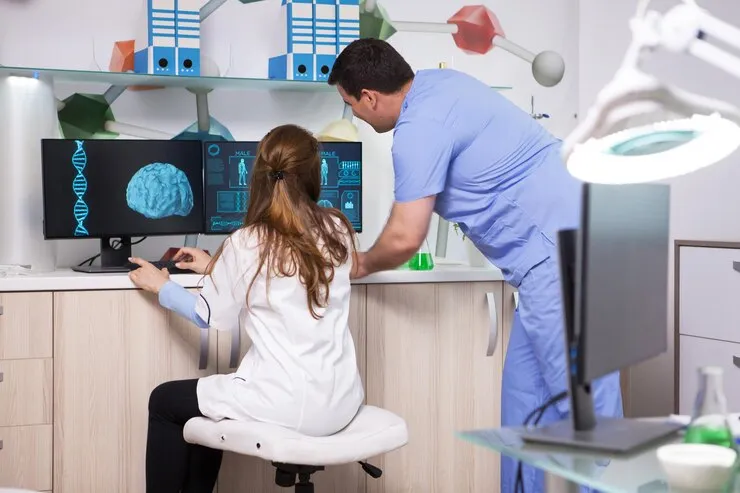
Skull base surgery is a highly specialized, minimally invasive surgical technique for evaluating, diagnosing, and treating benign or cancerous growths located on the base of the skull and the upper vertebrae of the spinal column.
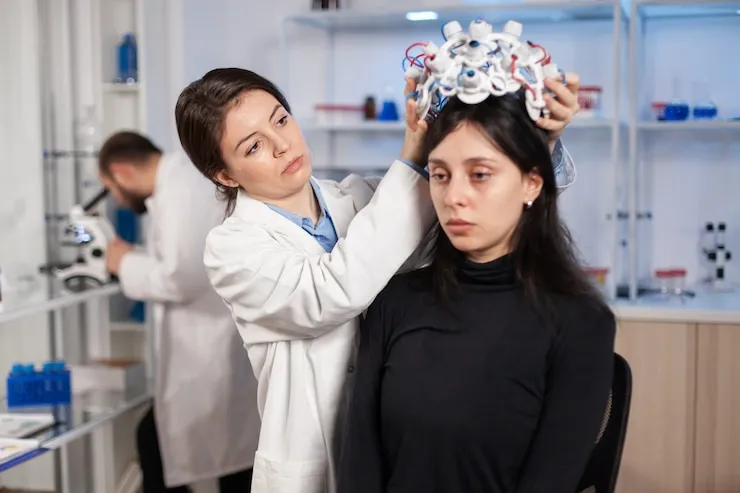
Deep brain stimulation (DBS) is a surgical treatment that transmits electric signals to areas of the brain typically responsible for motor functions. The stimulator transmits or sends these electrical pulses to block the faulty nerve signals that cause tremors, chronic pain, and other symptoms.
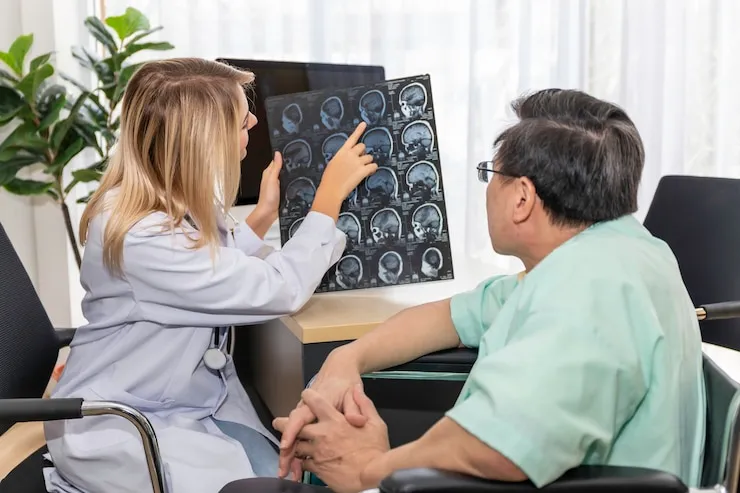
Pituitary tumors can be removed in various ways and depends on the case. Endoscopic surgery is one technique that removes the tumor through the nose. They can be removed by transsphenoidal surgery, in which it's removed through the sinuses. Also, by performing a craniotomy, where the skull is opened to reach the tumor.

Physician-directed infusion services including IV hydration, biologics, chemotherapy support, and specialty medication infusions delivered in a safe, monitored clinical setting.

Comprehensive diagnosis and management of blood disorders including anemia, clotting disorders, platelet abnormalities, and other complex hematologic conditions.
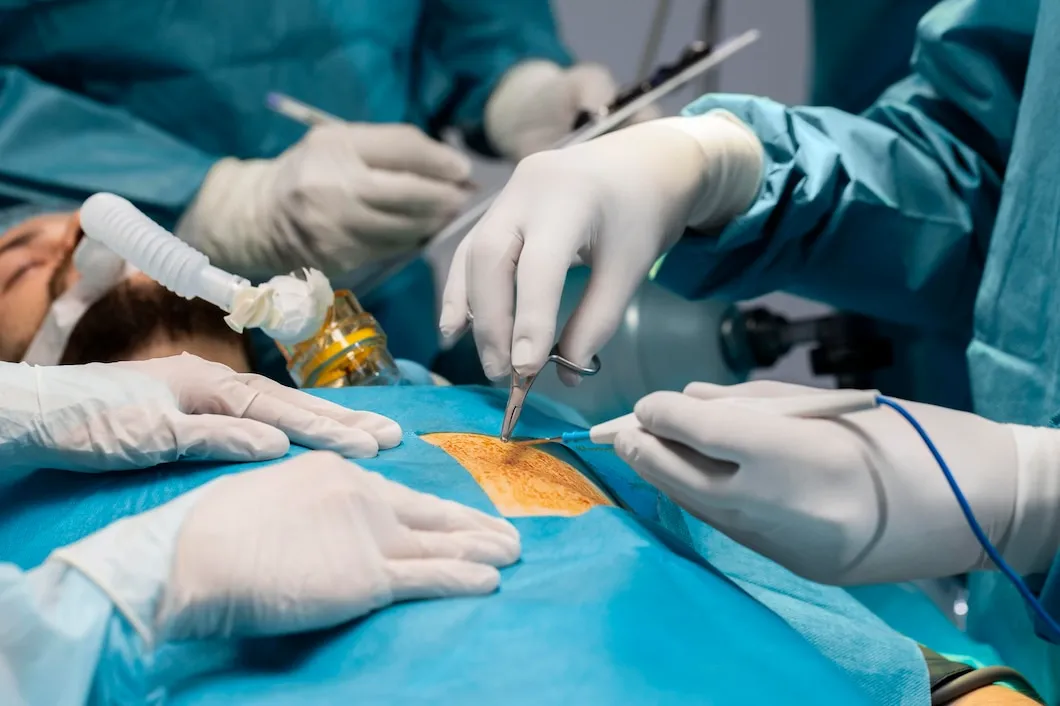
Advanced treatment for vascular conditions including peripheral artery disease, varicose veins, aneurysms, and circulation disorders using modern surgical and minimally invasive techniques.

Compassionate cancer care including diagnosis, treatment planning, chemotherapy coordination, and supportive therapies tailored to each patient's unique condition.

Targeted therapies and minimally invasive procedures to relieve chronic spine, joint, and nerve-related pain while restoring mobility and improving quality of life.
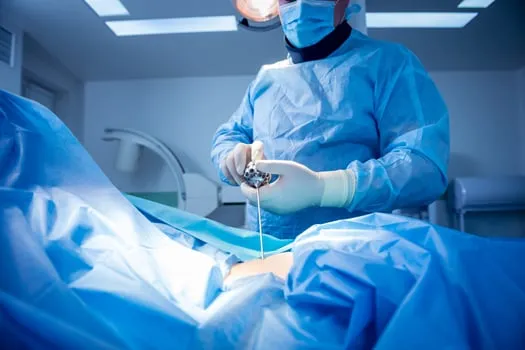
Minimally invasive spine surgery (MISS) is a substitute to standard open surgical techniques
performed to treat different spinal disorders, like degenerative disc disease, herniated disc,
scoliosis, and
spinal stenosis. Minimally invasive spine surgery offers several promising benefits, including
smaller
incisions, outpatient alternatives, less post-operative pain, and a quicker recovery.
Types of surgical techniques performed minimally invasively include:
• Discectomy or Microdiscectomy
• Foraminotomy or Microforaminotomy
•
Microlaminectomy and Microlaminotomy
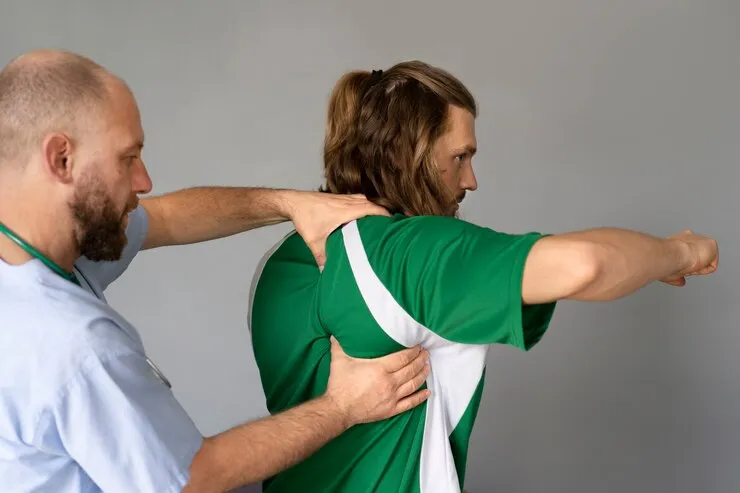
Treatment of a spinal fracture caused by osteoporosis is generally two-pronged, involving both
treatment of the fracture, and treatment of the underlying osteoporosis which led to the fracture.
• Vertebroplasty - This minimally invasive treatment is devised to help lower or
eliminate
pain caused by a fractured vertebra and balance the bone. Low viscosity cement is administered
directly into
the contracted vertebral body under the pressure, with the aim of balancing the fracture and
easing the
related back pain.
• Kyphoplasty - Identical to vertebroplasty, kyphoplasty is a minimally invasive
technique
devised to lower or stop the pain caused by a spinal fracture, to balance the bone, and to restore
certain or
all of the lost vertebral body height caused by the compression fracture.
• Spinal Fusion Surgery - Spinal fusion surgery is sometimes used for spinal
compression
fractures to terminate movement between two vertebrae and ease pain. The technique joins two or
more vertebrae
together, holds them in the right position, and keeps them from moving until they have a chance to
grow
together, or join.

A Spinal fusion permanently joins two or more vertebrae to improve stability, correct
deformities, or reduce pain. Your primary care physician might recommend a spinal fusion to treat:
• Deformities of the spine - Spinal fusion could help correct spinal deformities, like
a
sideways curvature of the spine otherwise known as scoliosis.
• Spinal weakness or instability - Your spine might become unbalanced if there is
abnormal
or excessive movement between 2 vertebrae. These are common side effects of serious arthritis in
the spine. A
spinal fusion is used to restore spinal stability in such cases.
• Herniated disc - Spinal fusion might be used to balance the spine after the removal
of a
damaged herniated disc.
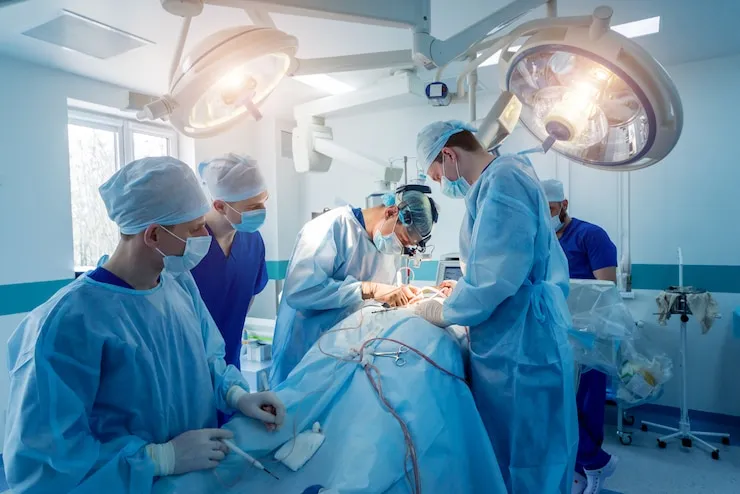
Scoliosis, spondylolisthesis, and kyphosis are commonly treated with spinal reconstructive surgery.
Neurosurgeons use minimally invasive surgery, artificial disc replacement, endoscopy, kyphoplasty,
spinal fusion, and other surgical techniques depending upon the needed care.
Spinal reconstructive surgery might be required for patients who have a misalignment that affects a
majority of the spine.