Plano | Specialty Care Clinics

Our Blogs

RECENT POST

Latest From Our Blog

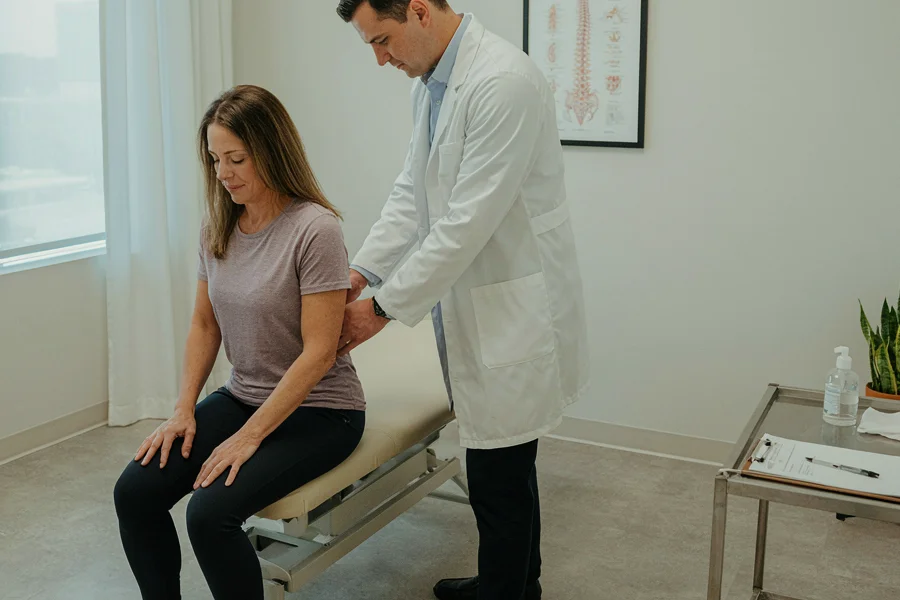
Work Injury Chiropractic Treatment in Plano

Work Injury Chiropractic Treatment in Plano

Work injury chiropractic treatment offers a gentle, non-surgical way to ...
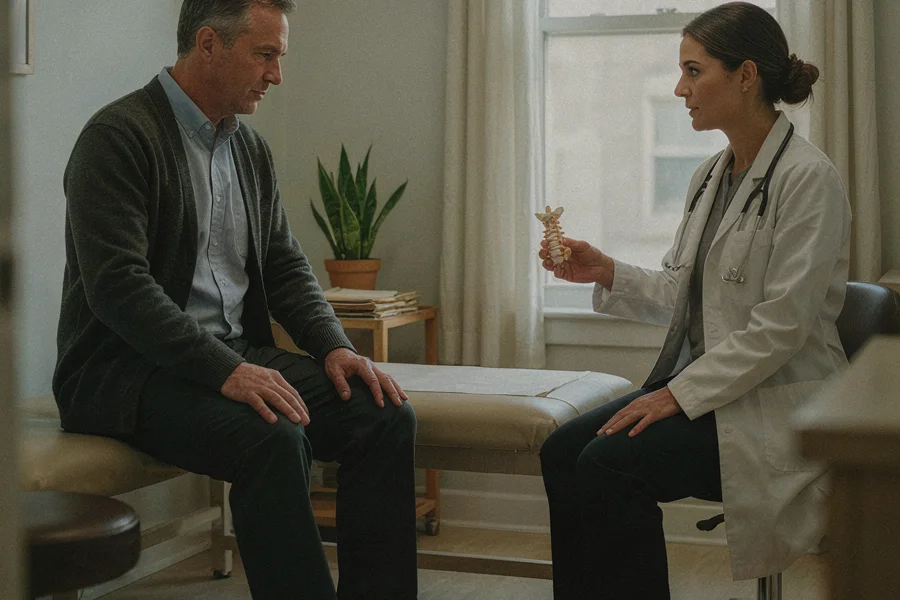
Why Pain Management Matters for Patients Today Chronic pain is one of the most common reasons adults seek medical care. The Centers for Disease Control and Prevention (CDC) reports that roughly one in five adults in the United States lives with chronic pain, and many say it limits their work and daily activities. Pain that lasts for months is more than an inconvenience, and it deserves careful attention. When pain goes unaddressed, it can lead to reduced movement, poor sleep, and muscle weakness. Over time, patients may avoid exercise, social events, or even simple household tasks, which can stiffen joints and weaken supporting muscles. Stress, low mood, and fatigue often follow, creating a cycle that becomes harder to break. Seeking help early matters because many spine, joint, and nerve conditions respond better when treated before they progress. A timely evaluation can identify the source of discomfort and guide care toward lasting improvement. Pain management offers a reassuring path forward that focuses on both relief and long-term function. Understanding Pain Management Pain management is a medical approach that aims to reduce pain, improve function, and enhance quality of life. Rather than relying on a single treatment, it uses a combination of therapies chosen after a thorough evaluation. The goal is not only to quiet symptoms but also to address the underlying cause whenever possible.Pain is generally described as acute or chronic. Acute pain appears suddenly after an injury or procedure and usually fades as the body heals. Chronic pain continues for three months or longer and may persist even after the original injury has healed. Chronic pain can come from several sources, including worn spinal discs, arthritis, irritated nerves, or past injuries. Because every patient’s situation is different, an accurate diagnosis is the foundation of effective care. Mayo Clinic explains that chronic pain is often treated with a combination of approaches rather than one method alone. Targeted Therapies for Spine and Joint Pain Targeted therapies are non-surgical treatments focused on the specific area causing discomfort. They may include physical therapy, chiropractic care, therapeutic exercise, manual techniques, and carefully selected medications. These options are often the first step in pain management because they carry fewer risks and support the body’s natural healing. For spine-related conditions, therapies often aim to relieve pressure on irritated structures and improve posture and alignment. For joint pain, treatment commonly focuses on strengthening the surrounding muscles to reduce strain on the joint itself. Over time, these changes can lead to smoother and more comfortable movement. Patients achieve the best results when they take an active role in their care. Attending scheduled sessions, practicing recommended exercises at home, and reporting changes in symptoms all help providers refine the plan. Consistency is often what separates short-term relief from lasting improvement. Minimally Invasive Procedures for Lasting Relief When conservative therapies do not provide enough relief, minimally invasive procedures may be considered. Examples include epidural steroid injections, joint injections, nerve blocks, and radiofrequency ablation. These procedures use small needles and image guidance to deliver treatment precisely to the source of pain. Compared with traditional surgery, minimally invasive options typically involve smaller access points, shorter recovery times, and lower risk. Many patients return to their normal routines within a short period. A provider will explain the expected benefits and limitations so each patient can make an informed decision. Managing Nerve Related Pain Nerve-related pain often feels different from other types of discomfort. Patients may describe burning, tingling, numbness, or sharp sensations that travel into the arms or legs. Conditions such as sciatica, pinched nerves, and neuropathy commonly cause these symptoms. Treatment depends on the cause and severity of the nerve irritation. Options may include targeted injections, nerve-calming medications, physical therapy, and activity modification. The National Institute of Neurological Disorders and Stroke (NINDS), part of the National Institutes of Health, offers helpful educational resources on how nerve pain develops and how it is evaluated. Restoring Mobility With Rehabilitation and Movement Relief from pain is only part of recovery. Restoring mobility helps patients regain strength, balance, and confidence in their bodies. Rehabilitation programs typically combine stretching, strengthening, and low-impact conditioning guided by trained providers. Gradual progress is important. Doing too much too quickly can aggravate symptoms, while avoiding movement altogether can lead to stiffness and weakness. A structured program helps patients find the right balance and advance safely.As mobility improves, many patients notice better sleep, steadier energy, and a greater ability to enjoy daily activities. These gains support emotional well-being as well as physical health. Improved function is one of the clearest signs that treatment is working. Everyday Habits That Support Pain Management Daily habits can strengthen the benefits of professional care. Good posture, supportive seating, regular activity within comfortable limits, and a healthy weight all reduce stress on the spine and joints. Quality sleep and relaxation techniques, such as deep breathing, also help the body cope with pain signals. Patients should also pay attention to ergonomics at work and at home, including screen height, lifting technique, and regular movement breaks. Small adjustments often make a noticeable difference. Discuss any new exercise or supplement with your provider so it fits safely into your pain management plan. Building a Comprehensive Pain Management Care Plan No single treatment works for everyone, which is why a comprehensive plan is so valuable. A well-rounded pain management plan blends targeted therapies, minimally invasive procedures when appropriate, rehabilitation, and healthy daily habits. Each element supports the others to deliver steadier and longer-lasting results. Your plan should begin with a detailed evaluation that includes your medical history, a physical examination, and diagnostic testing when needed. From there, your provider can set realistic goals and recommend a sequence of treatments. Regular follow-up visits allow the plan to be adjusted as your condition improves. A personalized care plan developed with a physician is the best way to ensure safe and effective treatment. Open communication about your symptoms, goals, and concerns helps your care team respond quickly to changes. Patients who stay engaged in the process tend to feel more in control of their recovery. Frequently Asked Questions What is pain management and who needs it? Pain management is a medical approach that reduces pain and improves function using a combination of therapies. It is often recommended for people with chronic spine, joint, or nerve pain that interferes with daily life. When should I see a provider about persistent pain? Schedule an evaluation if pain lasts more than a few weeks, worsens over time, or limits your daily activities. Seek urgent care for sudden weakness, loss of bladder or bowel control, or severe pain after an injury. Are minimally invasive procedures safe? These procedures are generally well tolerated and are often performed with image guidance for accuracy, though every treatment carries some risk. Your provider will review the benefits, risks, and alternatives before recommending one. Will pain management require surgery? Most patients begin with non-surgical options, and many find meaningful relief without surgery. A surgical referral is typically discussed only when other treatments do not provide enough benefit. How long does pain management take to work? Timelines vary depending on the condition and the treatment chosen. Some patients notice improvement within days or weeks, while others need several weeks of consistent care. Conclusion Pain management plays a vital role in helping patients live more comfortably and move with greater confidence. Chronic spine, joint, and nerve pain does not have to define your daily life when effective care is available. This guide covered targeted therapies, minimally invasive procedures, nerve pain care, rehabilitation, and everyday habits that work together. Combined within a personalized plan, these strategies address both symptoms and underlying causes. If persistent pain is affecting your quality of life, now is a good time to seek an evaluation. Early, consistent care often leads to better outcomes and a smoother recovery. Ready to Find Relief With Pain Management? Living with chronic pain is easier to face with the right team beside you. Our providers offer thorough evaluations, targeted therapies, and minimally invasive options built around your health goals. Contact SCC Plano today to schedule a consultation tailored to your unique health needs. Find Lasting Relief With Pain Management Chronic pain can quietly limit your movement and well-being when it goes unaddressed. Our providers focus on effective pain management, including careful assessment and personalized care plans, that help patients reduce pain, restore mobility, and support a steady recovery with consistent guidance. Pain Management Today Don’t wait for pain to limit your life before you take charge of your recovery. Whether you are dealing with spine, joint, or nerve-related pain, untreated conditions can affect your comfort and well-being over time. Our experienced providers at SCC Plano offer personalized care designed to support your long-term health. Schedule your consultation today and take the first step toward moving with greater ease and confidence. ✔ Visit us at sccplano.com today for comprehensive pain management tailored to your needs. ✔ Contact us at (469) 833-2927 now to schedule a consultation and begin your journey toward better health.

Pain Management for Spine, Joint and Nerve Pain

Living with persistent discomfort in the back, neck, joints, or ...
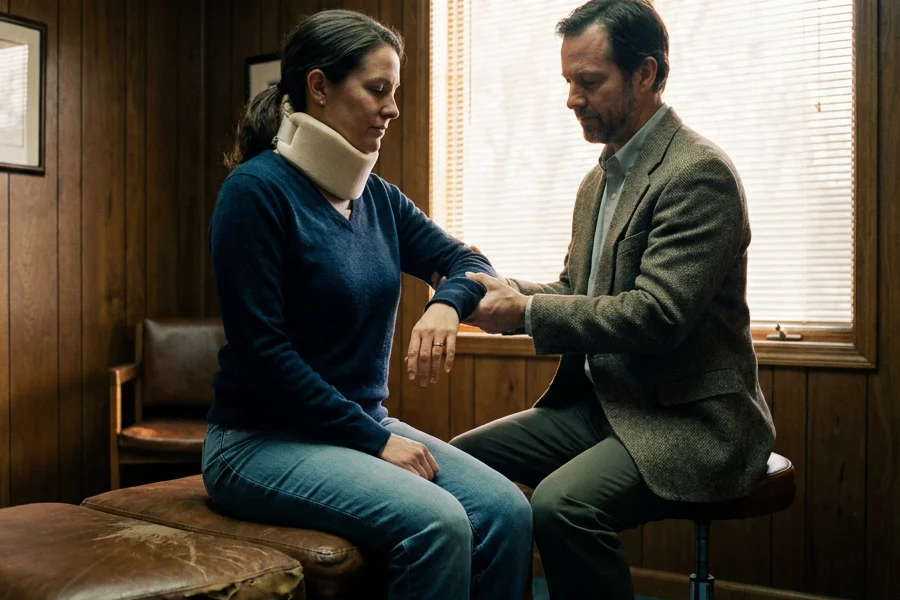
Auto Injury Chiropractic Care for Faster Recovery

Auto Injury Chiropractic Care for Faster Recovery

Even a low-speed collision can place sudden stress on the ...
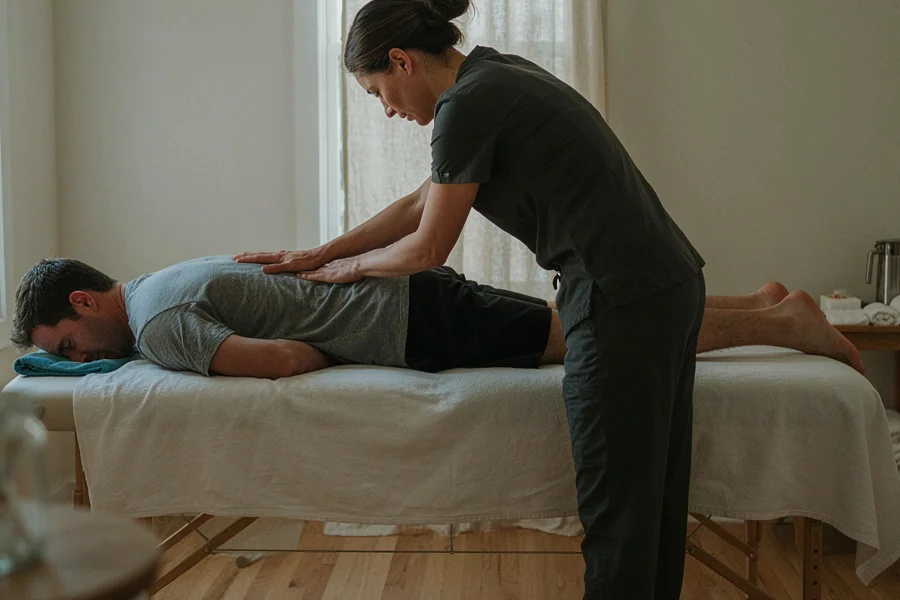
Spinal Adjustment Therapy for Back and Neck Relief

Spinal adjustment therapy is a hands-on chiropractic treatment that helps ...
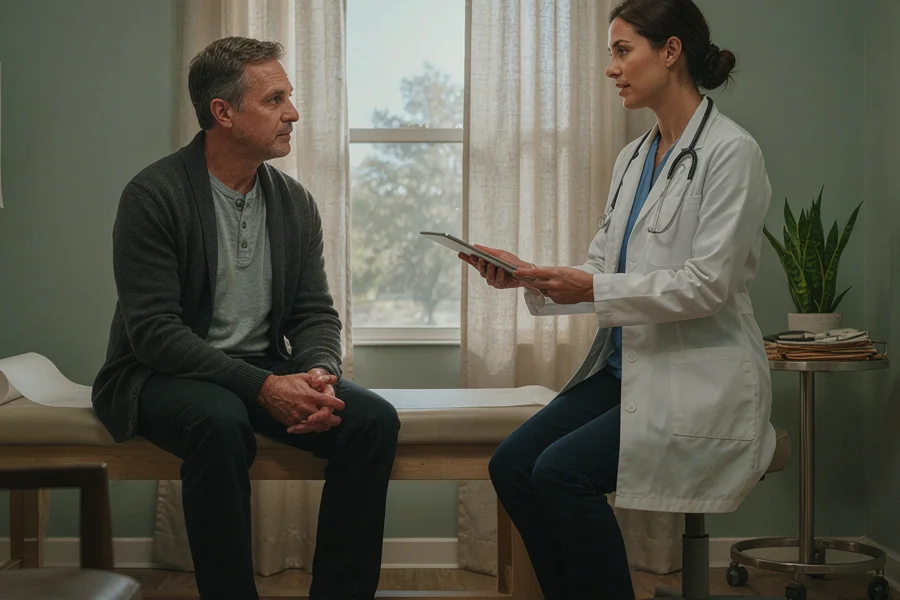
Chronic Disease Management in Plano | SCC Plano

Chronic Disease Management in Plano | SCC Plano

Millions of adults live with long-term health conditions such as ...
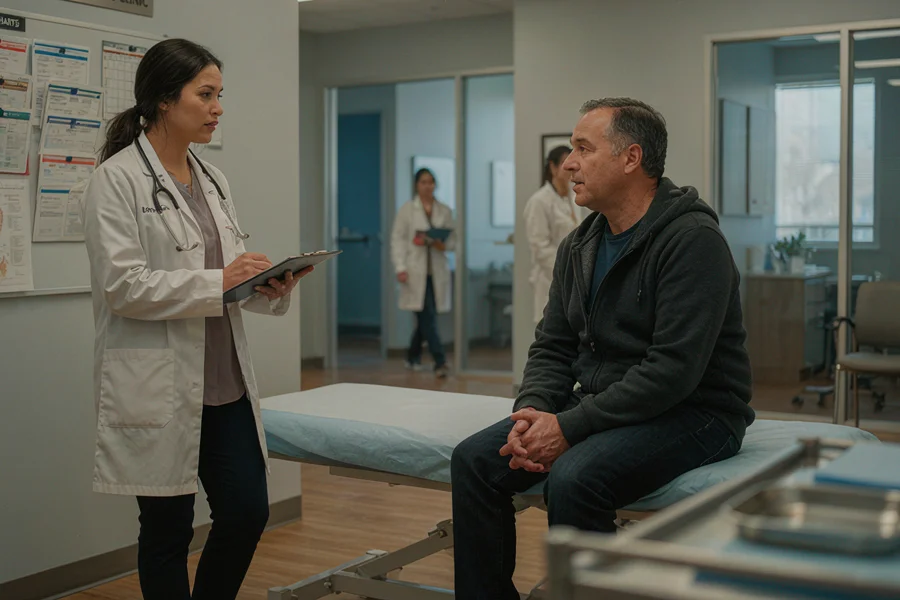
Prevent Illness With Preventive Care in Plano

Prevent Illness With Preventive Care in Plano

Preventive care plays a key role in maintaining long-term health, ...
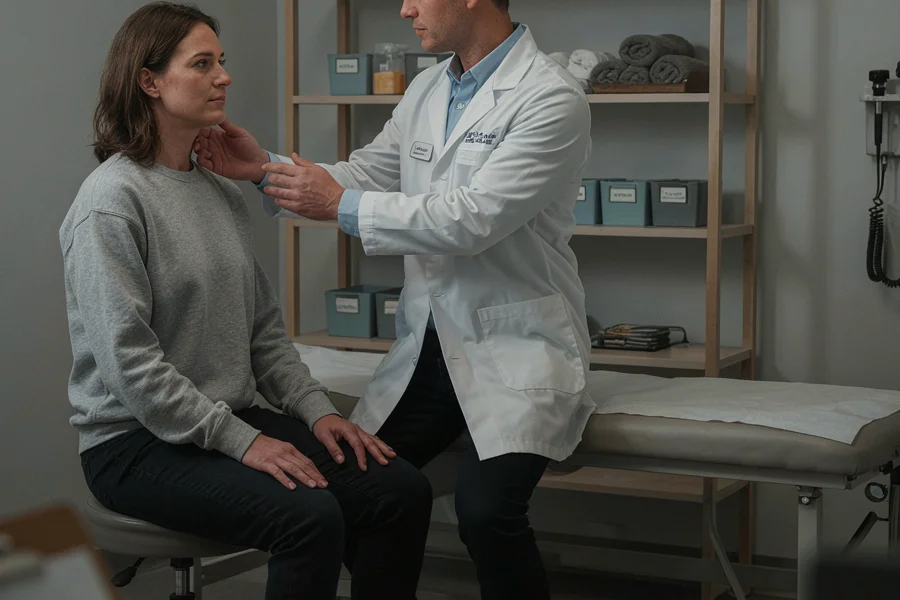
Auto Injury Chiropractic Care in Plano | SCC Plano

Auto Injury Chiropractic Care in Plano | SCC Plano

Even a minor collision can place sudden stress on the ...

Healthy Nutrition: Restore Energy With Vitamin Therapy

Healthy Nutrition: Restore Energy With Vitamin Therapy

Healthy nutrition gives the body the fuel it needs to ...