
Orthopedic health plays a major role in maintaining an active and pain-free lifestyle. Bones, joints, muscles, ligaments, and tendons work together to support movement and daily activities. When injuries or musculoskeletal conditions are ignored or left untreated, they can lead to chronic pain, limited mobility, and long-term complications. Seeking early orthopedic treatment is one of the most effective ways to protect your overall health and improve recovery outcomes.
Whether you are dealing with sports injuries, arthritis, fractures, joint pain, or back discomfort, timely orthopedic care can make a significant difference. Early diagnosis and treatment help prevent the condition from worsening and allow patients to return to normal activities faster.
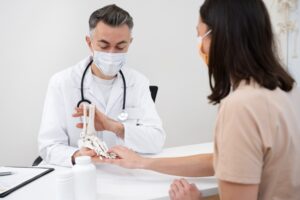
What Is Early Orthopedic Treatment?
Early orthopedic treatment refers to seeking medical attention as soon as symptoms of bone, joint, or muscle problems appear. Instead of waiting for the pain to become severe, patients consult an orthopedic specialist at the first signs of discomfort, swelling, stiffness, or injury.
Orthopedic specialists diagnose and treat conditions affecting the musculoskeletal system. These healthcare professionals use advanced diagnostic tools and personalized treatment plans to help patients recover effectively.
Conditions commonly treated with orthopedic care include:
- Joint pain and stiffness
- Sports injuries
- Fractures and dislocations
- Arthritis
- Tendon and ligament injuries
- Back and neck pain
- Shoulder and knee problems
- Muscle strains and sprains
Prevents Chronic Pain
One of the biggest benefits of early orthopedic treatment is preventing chronic pain. Minor injuries and joint problems can gradually become more severe when ignored. What starts as mild discomfort may eventually turn into persistent pain that affects daily life.
For example, untreated knee injuries can lead to joint instability and arthritis over time. Early intervention helps control inflammation, stabilize the affected area, and reduce the risk of long-term complications.
Timely treatment may include physical therapy, medications, lifestyle modifications, or minimally invasive procedures that help patients recover before the condition worsens.
Improves Mobility and Flexibility
Musculoskeletal conditions often affect movement and flexibility. Patients may experience stiffness, swelling, or difficulty performing routine tasks such as walking, bending, or lifting objects.
Early orthopedic care helps restore mobility before permanent damage occurs. Through targeted exercises, rehabilitation programs, and medical treatment, patients can regain strength and flexibility more effectively.
Maintaining proper joint function is especially important for older adults and athletes who rely on mobility for daily activities and performance.
Faster Recovery Time
Early diagnosis and treatment significantly improve recovery speed. When injuries are treated promptly, the body heals more efficiently. Delaying care may allow the injury to worsen, resulting in longer recovery periods and more complex treatment plans.
For example, a small ligament tear treated early may heal with rest and therapy, while untreated damage could eventually require surgery. Early orthopedic treatment minimizes downtime and helps patients return to work, sports, and normal activities sooner.
Reduces the Need for Surgery
In many cases, early orthopedic treatment can prevent the need for surgery. Non-surgical treatment options are often more effective when conditions are diagnosed in their early stages.
Conservative treatment methods may include:
- Physical therapy
- Anti-inflammatory medications
- Bracing and support devices
- Joint injections
- Activity modifications
- Rehabilitation exercises
By addressing problems early, orthopedic specialists can manage symptoms and improve function without invasive procedures.
Helps Detect Serious Conditions Early
Some orthopedic conditions develop gradually and may not show severe symptoms initially. Early evaluation allows healthcare providers to identify underlying issues before they become serious.
Conditions such as osteoporosis, arthritis, scoliosis, and degenerative joint disease can progress silently over time. Routine orthopedic evaluations help detect these problems early and create effective treatment strategies.
Early diagnosis is particularly important for preventing fractures, joint damage, and disability in aging adults.
Better Sports Injury Management
Athletes and active individuals are at higher risk of orthopedic injuries. Sprains, strains, ligament tears, and stress fractures can negatively impact performance and long-term health if left untreated.
Early orthopedic treatment helps athletes recover safely and avoid repeated injuries. Specialists develop personalized rehabilitation programs that strengthen muscles, improve flexibility, and restore function.
Proper injury management also reduces the risk of chronic pain and long-term joint problems commonly seen in athletes who continue playing through injuries.
Enhances Quality of Life
Living with untreated orthopedic pain can affect every aspect of daily life. Patients may struggle with walking, sleeping, exercising, or performing simple tasks. Chronic pain can also contribute to stress, anxiety, and reduced independence.
Early orthopedic care improves quality of life by reducing discomfort and restoring physical function. Patients often experience improved energy levels, better mobility, and greater confidence in daily activities.
When pain is managed effectively, individuals can maintain active lifestyles and enjoy healthier living.
Prevents Further Damage
Orthopedic conditions often worsen over time when ignored. Small injuries can place additional stress on surrounding muscles and joints, leading to further complications.
For example:
- Untreated ankle injuries may affect walking patterns and cause knee or hip pain.
- Delayed treatment for back problems can lead to nerve compression.
- Ignored fractures may heal improperly and cause deformities.
Early orthopedic intervention helps prevent secondary injuries and long-term structural damage.
Personalized Treatment Plans
Every patient has unique orthopedic needs. Early consultation with a specialist allows for customized treatment plans based on age, activity level, medical history, and condition severity.
Orthopedic doctors may combine several treatment approaches to achieve the best results. Personalized care improves treatment effectiveness and ensures patients receive targeted support throughout recovery.
Importance of Regular Orthopedic Checkups
Routine orthopedic checkups are beneficial even for individuals without major symptoms. Preventive evaluations can identify early warning signs of musculoskeletal problems and help patients maintain long-term joint and bone health.
People who should consider regular orthopedic evaluations include:
- Athletes
- Older adults
- Individuals with arthritis
- People with physically demanding jobs
- Patients with previous orthopedic injuries
Preventive care is essential for maintaining mobility and reducing the risk of serious complications.
Tips to Maintain Orthopedic Health
In addition to seeking early orthopedic treatment, patients can protect their musculoskeletal health by following healthy lifestyle habits.
1. Stay Physically Active
Regular exercise strengthens muscles and joints while improving flexibility and balance.
2. Maintain a Healthy Weight
Excess weight places additional pressure on joints, especially the knees and hips.
3. Practice Proper Posture
Good posture reduces strain on the spine and muscles.
4. Eat a Balanced Diet
Calcium and vitamin D are important for maintaining strong bones.
5. Avoid Ignoring Pain
Persistent pain or swelling should never be ignored. Seeking medical attention early can prevent serious complications.
Conclusion
The benefits of early orthopedic treatment extend far beyond pain relief. Prompt medical care helps prevent chronic conditions, improves mobility, supports faster recovery, and protects long-term musculoskeletal health. Ignoring joint or bone problems can lead to severe complications that affect your quality of life.
Seeking professional orthopedic care at the first sign of pain or injury is the best way to maintain an active and healthy lifestyle. Early intervention allows patients to receive effective treatment before conditions become more serious or require surgery.
Frequently Asked Questions (FAQs)
1. Why is early orthopedic treatment important?
Early orthopedic treatment helps prevent chronic pain, improves mobility, speeds recovery, and reduces the risk of permanent joint or bone damage.
2. What conditions require orthopedic treatment?
Orthopedic specialists treat fractures, arthritis, joint pain, sports injuries, tendon injuries, back pain, and other musculoskeletal conditions.
3. Can early orthopedic care prevent surgery?
Yes, early treatment often allows conditions to be managed with physical therapy, medication, and rehabilitation instead of surgery.
4. When should I see an orthopedic doctor?
You should see an orthopedic specialist if you experience persistent pain, swelling, stiffness, limited movement, or injuries affecting bones or joints.
5. How does orthopedic treatment improve recovery?
Orthopedic treatment provides accurate diagnosis and targeted therapies that help the body heal properly and faster.
Visit us https://sccplano.com/ today for expert orthopedic care and personalized treatment solutions. Our experienced medical team is committed to helping you recover quickly and regain your mobility. Contact us at (469) 833-2927 now to schedule your appointment and take the first step toward a pain-free life.