
Living with a long-term health condition can feel overwhelming, which is why chronic disease management has become such an essential part of modern healthcare. Conditions like diabetes, hypertension, kidney disease, and heart disease require consistent attention, not occasional check-ins. Without a clear plan in place, these conditions can quietly worsen over time.
Why Chronic Disease Management Matters for Patients Today
Chronic conditions rarely improve on their own. Left unmonitored, diabetes can lead to nerve damage, hypertension can strain the heart, and kidney disease can progress silently for years. This is why consistent, structured chronic disease management is so important for long-term health outcomes.
Many patients only seek care when symptoms become severe, but by that point, complications may already be developing. Regular monitoring allows providers to catch warning signs early, before they turn into emergencies or hospital visits.
Beyond the physical risks, unmanaged chronic conditions often come with rising healthcare costs. Frequent ER visits, medication complications, and late-stage interventions are far more expensive than ongoing, preventive care. A steady management plan helps patients avoid these financial and physical burdens.
Understanding Chronic Disease Management
At its core, chronic disease management means working with a healthcare provider to monitor a condition consistently, rather than treating it only when problems arise. This includes regular checkups, lab work, and honest conversations about symptoms and lifestyle.
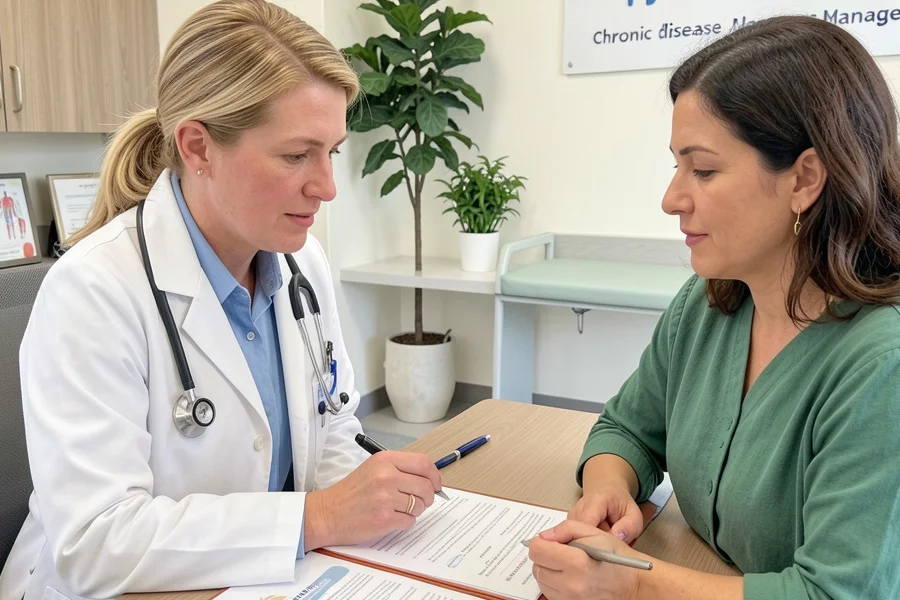
Chronic disease management is also collaborative. Patients are encouraged to take an active role, asking questions, reporting changes, and following through on recommendations, while providers offer guidance, adjust treatment plans, and provide ongoing support.
Managing Diabetes Through Consistent Monitoring
Diabetes management relies heavily on tracking blood sugar levels and understanding how food, activity, and medication affect them. Small, consistent adjustments often make a bigger difference than occasional, drastic changes.
Routine A1C testing gives both patients and providers a clearer picture of blood sugar control over several months. This allows for timely medication adjustments before complications like nerve or eye damage develop.
Patients managing diabetes benefit most when monitoring becomes part of a daily routine rather than an occasional task. Working closely with a provider ensures that any changes in readings are addressed quickly and appropriately.
Controlling Hypertension for Long-Term Heart Health
Hypertension, often called the “silent” condition, frequently shows no symptoms until it causes serious harm. Regular blood pressure checks are essential for catching it early and keeping it under control.
Consistent chronic disease management for hypertension typically combines medication, lifestyle guidance, and routine follow-ups to keep blood pressure within a safe, healthy range over time.
Supporting Kidney Function With Proactive Care
Kidney disease often progresses gradually, making regular lab work and provider visits critical for early detection. Monitoring kidney function allows providers to slow disease progression through timely treatment adjustments.
Patients with kidney disease benefit from close coordination between their primary provider and any specialists involved in their care, ensuring nothing is missed as the condition is monitored over time.
Reducing Heart Disease Risk With Ongoing Support
Heart disease management involves more than medication. Providers focus on tracking cholesterol, blood pressure, and overall cardiovascular health through regular appointments and testing.
Patients benefit from a personalized approach that considers their full health history, since heart disease often overlaps with other chronic conditions like diabetes and hypertension.
Because these conditions frequently occur together, coordinated chronic disease management ensures that treatment for one condition supports, rather than conflicts with, treatment for another.
The Role of Lifestyle Guidance in Disease Management
Nutrition, physical activity, and stress management all play a meaningful role in chronic disease outcomes. Providers often incorporate lifestyle guidance alongside medical treatment to support better long-term results.
Even small, sustainable changes to diet or activity levels can meaningfully improve blood sugar, blood pressure, and overall cardiovascular health when maintained consistently over time.
Building a Comprehensive Chronic Disease Management Care Plan
Effective chronic disease management brings together monitoring, medication, lifestyle guidance, and regular provider communication into one cohesive plan. No single strategy works in isolation; each piece supports the others.
For patients managing multiple conditions, such as diabetes alongside hypertension or heart disease, a coordinated plan ensures that treatments work together rather than creating conflicting demands on the body.
The most effective chronic disease management plans are personalized. Working directly with a physician allows patients to build a care plan suited to their specific conditions, lifestyle, and long-term health goals.
Frequently Asked Questions
What is chronic disease management?
Chronic disease management is the ongoing process of monitoring and treating long-term health conditions like diabetes, hypertension, kidney disease, and heart disease through regular care and follow-up.
How often should chronic conditions be monitored?
Monitoring frequency depends on the condition and its severity, but most chronic conditions benefit from checkups every few months, along with regular lab work as recommended by a provider.
Can chronic diseases be managed without medication?
Some chronic conditions can be partially managed through lifestyle changes, but many patients require a combination of medication and lifestyle guidance for effective long-term control.
Why is early monitoring important for chronic conditions?
Early monitoring helps identify warning signs before complications develop, allowing providers to adjust treatment and reduce the risk of serious, costly health events.
How does managing multiple chronic conditions at once work?
Providers coordinate care across conditions to ensure treatments support one another, which is especially important for patients managing diabetes, hypertension, and heart disease together.
Conclusion
Chronic disease management plays a central role in helping patients live healthier, more stable lives. Conditions like diabetes, hypertension, kidney disease, and heart disease require consistent attention, but with the right support, patients can significantly reduce long-term risks.
Managing a chronic condition does not have to feel overwhelming. With consistent support and a personalized plan, patients can maintain better health and a stronger quality of life for years to come.
Find Lasting Wellness With Chronic Disease Management Today
Don’t let chronic conditions like diabetes or hypertension limit your daily life. Whether it stems from long-term health risks, inconsistent monitoring, or an evolving diagnosis, unmanaged chronic disease can affect your comfort, energy, and overall well-being over time.
Our experienced providers at SCC Plano offer personalized chronic disease management plans designed to address the root causes of your condition, reduce long-term risks, and help you maintain a healthier, more stable quality of life. Schedule your consultation today and take the first step toward better long-term health.
✔ Visit us sccplano.com today for comprehensive chronic disease management services tailored to your needs.
✔ Contact us at (469) 833-2927 now to schedule a consultation and begin your journey toward better long-term health.