
A diagnosis involving the pituitary gland can raise many questions, which is why understanding pituitary tumor excision is an important step for patients and families navigating this condition. The pituitary gland plays a central role in regulating hormones throughout the body, so a tumor in this area can affect multiple aspects of health. Learning about the available surgical approaches can help patients feel more informed and prepared for the path ahead.
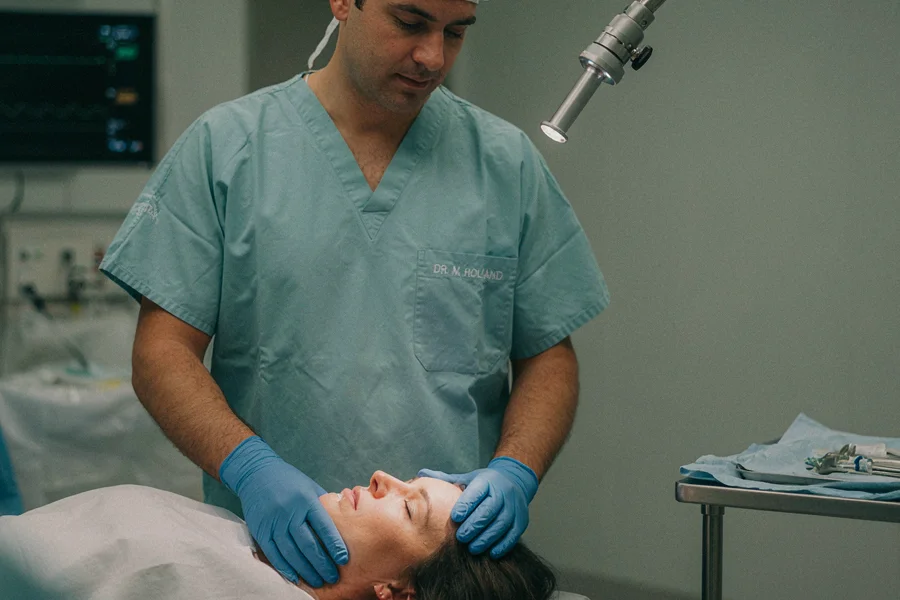
Why Pituitary Tumor Excision Matters for Patients Today
Pituitary tumors, while often benign, can still have a meaningful impact on a patient’s health due to the gland’s role in hormone regulation. When a tumor grows large enough, it may press on surrounding structures, including the optic nerves, which can affect vision. This is one of the primary reasons pituitary tumor excision becomes a necessary conversation for many patients.
Beyond physical symptoms, untreated pituitary tumors can disrupt hormone levels that regulate metabolism, growth, and stress response. These changes can develop gradually, making early diagnosis and a clear treatment plan especially valuable for maintaining overall well-being.
The urgency around pituitary tumor excision depends on the size, type, and growth pattern of the tumor. Some tumors are monitored over time, while others require surgical removal sooner to prevent further complications. A physician’s evaluation helps determine the most appropriate timeline for each patient.
Understanding Pituitary Tumor Excision
Pituitary tumor excision refers to the surgical removal of a tumor located on or near the pituitary gland, a small but important gland situated at the base of the brain. Because of its central role in hormone production, surgeons take a careful, precise approach when planning any procedure involving this area.
Not all pituitary tumors require the same surgical approach. The method chosen often depends on the tumor’s size, location, and whether it has spread beyond the gland itself. Understanding these differences helps patients better grasp why their physician may recommend one technique over another.
For many patients, pituitary tumor excision offers the potential to relieve symptoms, restore normal hormone function, and reduce pressure on nearby structures such as the optic nerves. Recovery experiences can vary, which is why ongoing communication with a care team remains an important part of the process.
Endoscopic Surgery
Endoscopic surgery is one of the more commonly used techniques for pituitary tumor excision. In this approach, the tumor is accessed and removed through the nose using a thin, flexible instrument equipped with a camera, allowing surgeons to visualize the area without external incisions.
This technique is valued for its minimally invasive nature, which can contribute to a more comfortable recovery experience for many patients. Because there is no need to open the skull, endoscopic surgery is often considered for tumors that are accessible through the nasal passage.
Patients considering this option should discuss with their surgical team whether their specific tumor size and location make them a good candidate. Not every case is suited to this approach, and a thorough evaluation helps determine the safest and most effective path forward.
Transsphenoidal Surgery
Transsphenoidal surgery is another widely used method for pituitary tumor excision, in which the tumor is removed through the sinuses. This approach provides a direct pathway to the pituitary gland while avoiding the need to disturb surrounding brain tissue.
Many patients undergoing transsphenoidal surgery experience a recovery process that allows them to return to daily activities within a reasonable timeframe, though this varies based on individual health factors and the complexity of the procedure.
Craniotomy for Larger or More Complex Tumors
In certain cases, a craniotomy may be recommended as part of pituitary tumor excision. This procedure involves opening a portion of the skull to reach tumors that are larger, more complex, or not easily accessible through the nose or sinuses.
While craniotomy is a more involved surgical approach, it allows surgeons to address tumors that extend beyond the typical boundaries of the pituitary region. Patients facing this option often benefit from a detailed discussion with their surgical team about what to expect before and after the procedure.
Preparing for Surgery
Preparation for pituitary tumor excision typically includes imaging studies, hormone level testing, and a thorough review of the patient’s overall health. This groundwork helps the surgical team choose the most appropriate technique for each individual case.
Patients are often encouraged to ask questions about anesthesia, expected recovery time, and any lifestyle adjustments needed in the days leading up to surgery. Feeling prepared can make a meaningful difference in how patients approach their procedure.
Recovery and Follow Up Care
Recovery after pituitary tumor excision varies depending on the surgical technique used and the individual patient’s health. Many patients require follow-up hormone testing to ensure the pituitary gland is functioning properly after surgery.
Ongoing monitoring in the weeks and months following the procedure allows physicians to track healing progress and address any hormone imbalances that may arise. This continued care is an essential part of achieving the best possible long-term outcome.
Building a Comprehensive Pituitary Tumor Care Plan
Successful treatment brings together accurate diagnosis, the right surgical approach, and thoughtful follow-up care into one cohesive plan. Each element supports the others, helping patients move through diagnosis, surgery, and recovery with clearer expectations at every stage.
A comprehensive care plan also accounts for each patient’s unique hormone levels, tumor characteristics, and overall health, since no two cases are exactly alike. This individualized approach helps ensure that treatment decisions align with each patient’s specific needs.
Ultimately, the most effective path forward involves working closely with a physician to determine whether pituitary tumor excision is the right option and which surgical technique best fits the patient’s circumstances.
Frequently Asked Questions
What is pituitary tumor excision?
Pituitary tumor excision is the surgical removal of a tumor located on or near the pituitary gland, performed using techniques such as endoscopic, transsphenoidal, or craniotomy approaches.
Is pituitary tumor excision always necessary for a pituitary tumor?
Not always. Some smaller or slow-growing tumors may be monitored over time, while others require surgical removal depending on size, symptoms, and growth pattern.
How long does recovery take after pituitary tumor excision?
Recovery time varies by technique and individual health factors, with many patients following a structured follow-up plan that includes hormone level monitoring.
What is the difference between endoscopic and transsphenoidal surgery?
Both approaches access the tumor without opening the skull, though specific techniques and instruments used can differ based on the tumor’s exact location and the surgeon’s approach.
When is a craniotomy needed instead of nasal or sinus approaches?
A craniotomy is typically considered for larger or more complex tumors that are not easily reached through the nose or sinuses.
Conclusion
Pituitary tumor excision plays a central role in helping patients address tumors that affect hormone regulation and overall health. Understanding the available surgical options is an important step toward making informed decisions alongside a trusted medical team.
Working with an experienced medical team to determine the right approach for pituitary tumor excision gives patients the best opportunity for a smoother recovery and improved long-term health.
Ready to Discuss Your Treatment Options?
Don’t navigate a pituitary tumor diagnosis alone. Our experienced providers at SCC Plano can help guide you through evaluation and treatment options tailored to your specific condition. Contact SCC Plano today to schedule a consultation tailored to your unique health needs.
✔ Visit us at sccplano.com today for comprehensive care tailored to your needs. ✔ Contact us at (469) 833-2927 now to schedule a consultation and begin your journey toward better long-term health.