
Living with chronic pain can affect nearly every part of daily life, from work to rest to simple movement. Pain management focuses on identifying the source of persistent discomfort and applying targeted therapies that relieve symptoms while supporting long-term function. For patients dealing with ongoing spine, joint, or nerve-related pain, an organized pain management approach can make a meaningful difference.
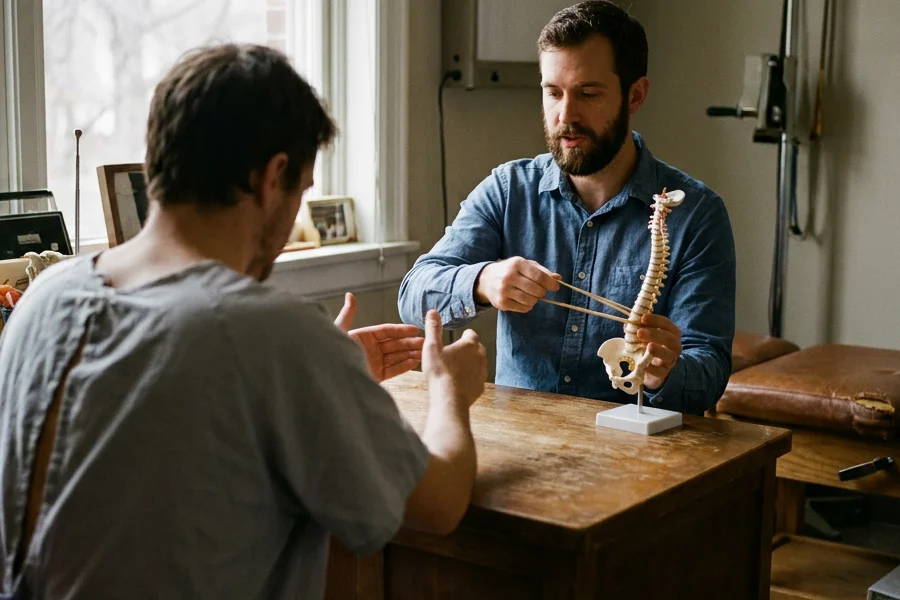
Chronic pain rarely stays contained to one area of the body. Left untreated, spine, joint, or nerve-related pain can spread, worsen, and limit a patient’s ability to complete everyday tasks. This is why pain management is an essential part of maintaining long-term health and independence.
Many patients delay seeking pain management because discomfort develops gradually and seems manageable at first. Over time, though, unaddressed pain can lead to reduced mobility, poor sleep, and lower overall quality of life. Early evaluation helps prevent these compounding effects.
Without a structured pain management plan, patients often rely on temporary relief methods that do not address the underlying cause. A comprehensive approach focuses on lasting improvement rather than short-term symptom masking.
Understanding Pain Management
Pain management is a broad field that combines diagnosis, targeted therapies, and minimally invasive procedures to relieve discomfort at its source. Rather than treating pain as a single issue, providers evaluate how the spine, joints, and nerves interact to contribute to a patient’s symptoms.
Effective pain management often starts with identifying whether pain stems from structural issues, such as joint degeneration, or from nerve-related conditions. This distinction guides which treatments are most appropriate for each patient.
Because chronic pain varies widely between individuals, pain management plans are rarely one-size-fits-all. Providers tailor treatment based on the location, severity, and cause of a patient’s pain to achieve the most effective, lasting results.
Managing Chronic Spine-Related Pain
Spine-related pain is one of the most common reasons patients seek pain management. Conditions such as disc degeneration, spinal stenosis, or muscle strain can all contribute to persistent back and neck discomfort.
Pain management for spine-related issues often includes a combination of targeted therapies and, when appropriate, minimally invasive procedures designed to relieve pressure on affected structures without the need for major surgery.
Patients are encouraged to follow their pain management plan consistently, since spine-related pain often improves gradually as inflammation decreases and mobility is restored through guided treatment.
Relieving Joint Pain and Stiffness
Joint pain, whether from wear over time or an underlying condition, can significantly limit movement and comfort. Pain management approaches for joint-related discomfort focus on reducing inflammation while supporting healthy movement patterns.
Treatment may involve a combination of therapies aimed at strengthening the tissue surrounding affected joints, helping patients regain range of motion and reduce reliance on temporary relief measures.
Addressing Nerve-Related Pain
Nerve-related pain often presents differently than joint or spine pain, sometimes causing burning, tingling, or shooting sensations. Pain management for nerve-related conditions requires careful evaluation to identify the specific nerve pathways involved.
Targeted therapies and minimally invasive procedures can help calm irritated nerves, reducing discomfort while supporting the body’s natural healing process over time.
Minimally Invasive Pain Management Procedures
For patients whose pain does not fully respond to conservative treatment, minimally invasive procedures offer an effective next step within a broader pain management plan. These options are designed to relieve pain with less recovery time than traditional surgery.Because these procedures target the specific source of discomfort, they are often combined with other pain management therapies to support both immediate relief and longer-term stability.
Patients considering minimally invasive treatment should discuss the full range of pain management options with their provider to determine the most appropriate course of action for their condition.
Restoring Mobility Through Ongoing Care
A central goal of pain management is not only reducing discomfort but also restoring the ability to move freely and comfortably. Guided movement and supportive therapies play an important role in this process.
As mobility improves, many patients find that their pain management plan becomes easier to maintain, creating a positive cycle of reduced discomfort and increased activity.
Building a Comprehensive Pain Management Care Plan
Effective long-term relief rarely comes from a single treatment alone. A comprehensive pain management plan typically combines targeted therapies, movement-based care, and minimally invasive procedures when appropriate, all tailored to the patient’s specific condition.Because chronic pain can evolve over time, pain management plans are designed to be adjusted as needed, ensuring that treatment continues to match a patient’s current symptoms and goals.
Working closely with a physician remains the most reliable way to build a personalized pain management plan that addresses both immediate discomfort and long-term mobility.
Frequently Asked Questions
What conditions does pain management typically treat?
Pain management addresses chronic spine, joint, and nerve-related pain, including conditions such as disc degeneration, arthritis, and nerve irritation.
Is pain management only for severe chronic pain?
No, pain management can benefit patients with mild to severe discomfort, since early treatment often leads to better long-term outcomes.
Are minimally invasive procedures part of every pain management plan?
Not always. Many pain management plans begin with conservative therapies, adding minimally invasive procedures only if needed.
How long does it take to see results from pain management treatment?
Timelines vary by condition, but many patients notice gradual improvement over several weeks of consistent pain management care.
Can pain management help restore mobility, not just reduce pain?
Yes, improving mobility is a core goal of pain management, alongside relieving discomfort from the spine, joints, or nerves.
Conclusion
Chronic pain affects far more than physical comfort, influencing daily activity, sleep, and overall well-being. A structured pain management approach helps patients address spine, joint, and nerve-related pain at its source rather than relying on temporary relief.
From targeted therapies to minimally invasive procedures, each part of a pain management plan works toward restoring mobility and improving long-term quality of life.Choosing a personalized, consistent pain management plan can make a lasting difference in how comfortably and confidently patients move through daily life.
Find Lasting Wellness With Pain Management Today
Don’t let chronic spine, joint, or nerve-related pain limit your daily life. Whether it stems from long-term health risks, inconsistent treatment, or an evolving condition, unmanaged pain can affect your comfort, energy, and overall well-being over time.
Our experienced providers at SCC Plano offer personalized pain management plans designed to address the root causes of your condition, reduce long-term risks, and help you maintain a healthier, more stable quality of life. Schedule your consultation today and take the first step toward better long-term health.
✔ Visit us sccplano.com today for comprehensive pain management services tailored to your needs.
✔ Contact us at (469) 833-2927 now to schedule a consultation and begin your journey toward better long-term health.