
Living with ongoing discomfort can affect nearly every part of daily life, which is why effective pain management has become an essential part of modern healthcare. Chronic spine, joint, and nerve-related pain can limit movement, disrupt sleep, and reduce overall well-being if left unaddressed. A thoughtful, physician-guided approach to pain management helps patients regain function and comfort over time.
Why Pain Management Matters for Patients Today
Chronic pain affects millions of people and often develops gradually, making it easy to underestimate its long-term impact. Without proper pain management, everyday activities such as walking, sleeping, or working can become increasingly difficult. Over time, untreated pain can also contribute to reduced mobility and emotional strain.
Spine, joint, and nerve-related pain conditions frequently worsen when left untreated, leading to more invasive interventions later. Early and consistent pain management can prevent this progression by addressing the root cause rather than only masking symptoms. This proactive approach supports long-term health rather than short-term relief.The urgency of proper pain management lies in its ability to preserve function. Patients who receive timely, individualized care are more likely to maintain independence and physical activity. Delaying treatment often makes recovery slower and more complex.
Understanding Pain Management
Pain management is a medical specialty focused on diagnosing and treating the underlying causes of chronic discomfort. It combines diagnostic evaluation, targeted therapies, and minimally invasive procedures to relieve pain safely and effectively. The goal is not simply to reduce pain, but to restore normal function.
Chronic pain is different from short-term or acute pain because it persists for weeks, months, or longer. This type of pain often requires a structured, ongoing treatment plan rather than a single intervention. Understanding this distinction helps patients set realistic expectations for recovery.Effective pain management typically involves a combination of approaches tailored to each patient’s condition. These may include physical therapy, medication management, or minimally invasive procedures. A personalized plan ensures that treatment addresses the specific source of pain rather than applying a one-size-fits-all solution.
Identifying the Source of Chronic Pain
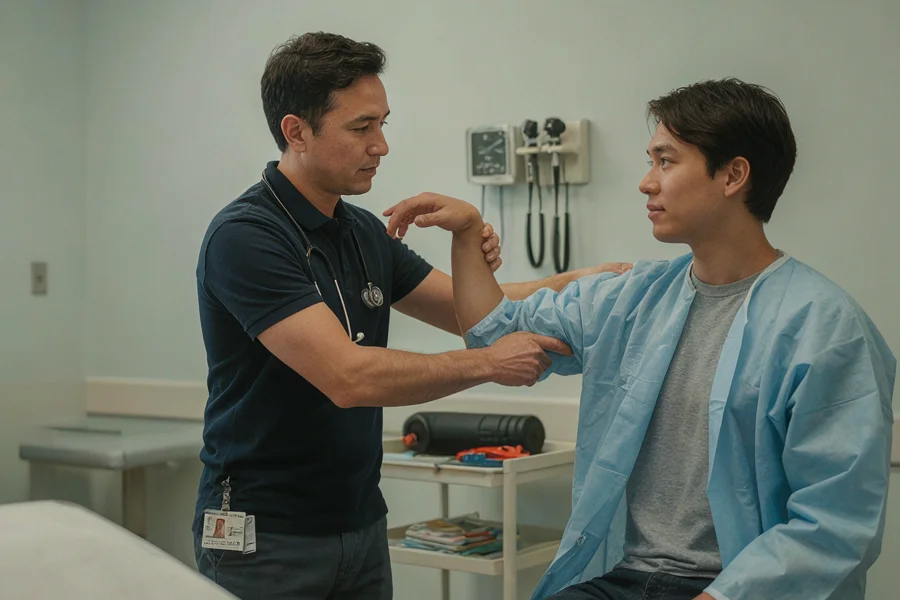
Accurate diagnosis is the foundation of any successful pain management plan. Physicians use physical examinations, imaging studies, and patient history to determine whether pain originates from the spine, joints, or nerves. This step is essential because different sources of pain require different treatment approaches.
Identifying the source matters because it prevents unnecessary or ineffective treatments. Patients who receive a clear diagnosis are more likely to respond well to targeted therapies. Skipping this step can lead to prolonged discomfort and repeated trial-and-error treatment.
Patients should approach diagnosis with patience and open communication. Sharing detailed symptom history, including when pain occurs and what worsens or relieves it, helps physicians create a more accurate and effective pain management plan.
Targeted Therapies for Spine and Joint Pain
Targeted therapies focus on specific areas of the body affected by chronic pain, such as the spine or joints. These treatments may include physical therapy, guided injections, or other non-surgical interventions designed to reduce inflammation and improve mobility.
By focusing on the exact source of discomfort, targeted therapies often provide more effective and longer-lasting pain management results than general treatment alone.
Minimally Invasive Pain Procedures
Minimally invasive procedures allow physicians to treat chronic pain with smaller incisions, shorter recovery times, and reduced risk compared to traditional surgery. These procedures are often used when conservative treatments have not provided sufficient relief.
Because these procedures are less disruptive to the body, patients often experience faster return to daily activities as part of their overall pain management plan.
Restoring Mobility Through Physical Rehabilitation
Physical rehabilitation plays a central role in pain management by strengthening muscles, improving flexibility, and supporting joint stability. Guided exercise programs are designed around each patient’s specific condition and pain tolerance.Consistent rehabilitation helps prevent future injury while reinforcing the results achieved through medical treatment. It also empowers patients to take an active role in their own recovery.
Combining rehabilitation with medical pain management often produces more sustainable improvements in mobility than either approach used alone.
Long-Term Pain Prevention Strategies
Preventing pain from returning is just as important as treating it initially. Lifestyle adjustments, posture correction, and ongoing physical activity all contribute to long-term pain management success.
Patients who incorporate prevention strategies into daily routines tend to experience fewer flare-ups and maintain better overall function over time.
Building a Comprehensive Pain Management Care Plan
Effective pain management works best when multiple strategies are combined into a single, coordinated plan. Diagnosis, targeted therapy, minimally invasive procedures, and rehabilitation all play complementary roles in relieving chronic pain.
No two patients experience pain in exactly the same way, which is why a personalized care plan is essential. A treatment approach that works well for one condition may not be appropriate for another, making individualized planning critical to success.
Working closely with a physician ensures that each element of a pain management plan is adjusted as needed based on progress. This collaborative approach leads to more consistent, long-term relief.
Frequently Asked Questions
What is pain management?
Pain management is a medical approach focused on diagnosing and treating chronic spine, joint, and nerve-related pain to restore comfort and mobility.
How do I know if I need pain management treatment?
Persistent pain that affects daily activities, sleep, or mobility for several weeks or longer is a sign that professional pain management evaluation may be needed.
Are minimally invasive procedures safe?
Minimally invasive procedures are generally considered safe and are performed by trained physicians as part of a broader pain management plan.
Can physical therapy help with chronic pain?
Yes, physical therapy is often an important part of pain management, helping to improve strength, flexibility, and long-term mobility.
How long does a pain management plan typically last?
Treatment duration varies by patient and condition, as pain management plans are personalized based on diagnosis, progress, and long-term goals.
Conclusion
Chronic spine, joint, and nerve-related pain can significantly affect quality of life when left unaddressed, making effective pain management essential for long-term health. A proactive, personalized approach allows patients to relieve discomfort while restoring the mobility needed for daily activities.
From accurate diagnosis to targeted therapies, minimally invasive procedures, and rehabilitation, comprehensive pain management combines multiple strategies for lasting results. Working with an experienced physician ensures that treatment remains tailored to each patient’s evolving needs.
Find Lasting Wellness With Pain Management Today
Don’t let chronic spine,joint, or nerve-related pain limit your daily life. Whether it stems from long-term health risks, inconsistent treatment, or an evolving condition, unmanaged pain can affect your comfort, energy, and overall well-being over time.
Our experienced providers at SCC Plano offer personalized pain management plans designed to address the root causes of your condition, reduce long-term risks, and help you maintain a healthier, more stable quality of life. Schedule your consultation today and take the first step toward better long-term health.
✔ Visit us sccplano.com today for comprehensive pain management services tailored to your needs.
✔ Contact us at (469) 833-2927 now to schedule a consultation and begin your journey toward better long-term health.