
What is an Orthopedic Specialist?
An orthopedic specialist is a medical professional who diagnoses, treats, and prevents conditions related to the musculoskeletal system. This includes bones, joints, ligaments, tendons, and muscles. Whether you are dealing with chronic pain, injury, or mobility issues, an orthopedic specialist plays a crucial role in restoring your physical health and improving your quality of life.
Orthopedic specialists use both surgical and non-surgical methods to treat various conditions. From prescribing medications and physical therapy to performing complex surgeries, they provide comprehensive care tailored to each patient’s needs.
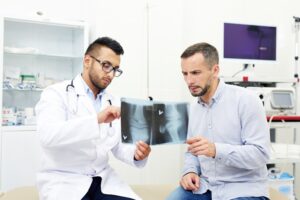
Why You Should Visit an Orthopedic Specialist
Many people ignore joint pain or muscle discomfort, thinking it will go away on its own. However, untreated issues can lead to serious complications. Visiting an orthopedic specialist at the right time can prevent long-term damage.
You should consider consulting an orthopedic specialist if you experience persistent pain, swelling, stiffness, or difficulty in movement. Early diagnosis helps in faster recovery and reduces the risk of severe conditions. Whether it’s a sports injury or age-related joint problems, professional care is essential.
Common Conditions Treated by Orthopedic Specialists
Orthopedic specialists handle a wide range of conditions affecting the musculoskeletal system. Some of the most common issues include:
- Arthritis and joint inflammation
- Fractures and broken bones
- Back and spine disorders
- Sports injuries
- Ligament tears (ACL, MCL injuries)
- Osteoporosis
- Tendonitis and bursitis
These conditions can significantly affect daily activities. An orthopedic specialist ensures proper treatment and rehabilitation to help patients regain mobility and strength.
Types of Orthopedic Specializations
Orthopedics is a vast field, and many specialists focus on specific areas. Some common types include:
- Joint replacement specialists
- Spine surgeons
- Sports medicine experts
- Pediatric orthopedic specialists
- Trauma surgeons
Each specialization focuses on a particular part of the body or type of injury. This allows patients to receive more targeted and effective treatment.
Diagnosis and Treatment Methods
Orthopedic specialists use advanced diagnostic tools to identify the root cause of the problem. These may include X-rays, MRI scans, CT scans, and physical examinations.
Treatment methods vary depending on the severity of the condition. Non-surgical treatments include medications, physiotherapy, lifestyle changes, and injections. In severe cases, surgical procedures such as joint replacement or arthroscopy may be required.
The goal is always to reduce pain, improve function, and enhance the patient’s overall well-being.
Importance of Early Diagnosis
Early diagnosis is key to effective treatment. Ignoring symptoms like joint pain or stiffness can lead to worsening conditions over time. Orthopedic issues, if detected early, can often be treated without surgery.
Regular check-ups and timely consultation help in identifying problems before they become serious.
Early intervention not only saves time and money but also ensures better recovery outcomes.
Role of Physiotherapy in Orthopedic Care
Physiotherapy is an essential part of orthopedic treatment. It helps in restoring movement, strengthening muscles, and reducing pain. After surgery or injury, rehabilitation plays a crucial role in recovery.
Orthopedic specialists often recommend personalized exercise programs to improve flexibility and mobility. Consistent physiotherapy sessions can significantly enhance recovery speed and prevent future injuries.
Tips to Maintain Bone and Joint Health
Maintaining good bone and joint health is essential for a healthy lifestyle. Here are some useful tips:
- Eat a balanced diet rich in calcium and vitamin D
- Stay physically active with regular exercise
- Maintain a healthy weight
- Avoid smoking and excessive alcohol consumption
- Practice good postureUse proper techniques during physical activities
These simple habits can help prevent many orthopedic problems and keep your body strong and flexible.
When is Surgery Required?
Not all orthopedic conditions require surgery. However, in cases where non-surgical treatments fail, surgery becomes necessary. Common surgical procedures include:
- Joint replacement surgery
- Arthroscopic surgery
- Spine surgery
- Fracture repair
An orthopedic specialist carefully evaluates the condition before recommending surgery. The decision is based on the severity of the problem and the patient’s overall health.
Choosing the Right Orthopedic Specialist
Selecting the right orthopedic specialist is crucial for effective treatment. Look for a doctor with proper qualifications, experience, and a good track record.
Patient reviews, hospital facilities, and the doctor’s specialization should also be considered. A good specialist will listen to your concerns, explain treatment options clearly, and provide personalized care.
Frequently Asked Questions (FAQs)
1. What does an orthopedic specialist treat?
An orthopedic specialist treats conditions related to bones, joints, muscles, ligaments, and tendons.
2. When should I see an orthopedic doctor?
You should visit an orthopedic doctor if you have persistent pain, swelling, or difficulty in movement.
3. Do all orthopedic problems require surgery?
No, many conditions can be treated with medication, physiotherapy, and lifestyle changes.
4. What is the difference between a physiotherapist and an orthopedic specialist?
An orthopedic specialist diagnoses and treats conditions, while a physiotherapist focuses on rehabilitation and recovery.
5. How long does recovery take after orthopedic surgery?
Recovery time varies depending on the type of surgery and the patient’s health, but it can range from a few weeks to several months.
Looking for expert care for your bone and joint problems? Our experienced orthopedic specialists are here to help you recover faster and live pain-free.
Visit us https://sccplano.com/ today to get the best consultation and personalized treatment plans tailored to your needs.
For appointments and inquiries, contact us at (469) 833-2927 now and take the first step toward a healthier, more active life.