
Introduction
The spine plays a critical role in supporting the body, protecting the spinal cord, and enabling movement. Any injury to this structure can have serious consequences. Recognizing the signs of spinal fracture early is essential to prevent long-term damage and complications. A spinal fracture can result from trauma, accidents, or underlying medical conditions like osteoporosis. Understanding the symptoms helps ensure timely treatment and better recovery outcomes.
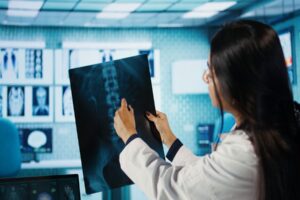
What Is a Spinal Fracture?
A spinal fracture refers to a break or collapse of one or more vertebrae in the spine. These fractures can range from mild compression fractures to severe injuries affecting spinal stability. Identifying the signs of spinal fracture quickly is vital because untreated fractures can lead to nerve damage or even paralysis.
Common Signs of Spinal Fracture
Recognizing the signs of spinal fracture can make a significant difference in recovery. Here are the most common symptoms:
1. Sudden and Severe Back Pain
One of the primary signs of spinal fracture is intense, sharp pain in the back. This pain may worsen with movement, standing, or walking.
2. Limited Mobility
Difficulty moving or bending is another clear indicator. Patients often experience stiffness and reduced range of motion.
3. Numbness or Tingling
If the fracture affects nearby nerves, it can cause numbness, tingling, or weakness in the arms or legs.
4. Loss of Height or Spinal Deformity
Compression fractures can lead to a noticeable loss of height or a hunched posture over time.
5. Pain That Radiates
Pain may radiate to the abdomen, hips, or legs, depending on the location of the fracture.
6. Difficulty Standing or Walking
Severe fractures can make it hard to stand upright or walk without assistance.
Causes of Spinal Fractures
Understanding the causes helps in identifying the signs of spinal fracture early. Common causes include:
- Traumatic accidents (car crashes, falls, sports injuries)
- Osteoporosis, which weakens bones
- High-impact injuries
- Tumors or infections affecting the spine
Risk Factors to Consider
Certain individuals are more prone to experiencing the signs of spinal fracture, including:
- Older adults, especially women
- Individuals with low bone density
- Athletes involved in high-impact sports
- People with a history of spinal injuries
When Should You Seek Medical Attention?
If you notice any signs of spinal fracture, it’s important to seek immediate medical care. Warning signs that require urgent attention include:
- Severe back pain after a fall or accident
- Loss of bladder or bowel control
- Weakness or paralysis in limbs
- Persistent numbness or tingling
Early diagnosis through imaging tests like X-rays or MRIs can help confirm the condition and guide treatment.
Diagnosis of Spinal Fractures
Doctors evaluate the signs of spinal fracture using:
- Physical examination
- Imaging tests (X-ray, CT scan, MRI)
- Neurological assessment
Prompt diagnosis ensures proper treatment and reduces the risk of complications.
Treatment Options
Treatment depends on the severity of the fracture and the symptoms observed. Addressing the signs of spinal fracture early improves outcomes.
1. Non-Surgical Treatments
- Pain management with medication
- Back braces for support
- Physical therapy
2. Surgical Treatments
- Vertebroplasty or kyphoplasty
- Spinal fusion surgery in severe cases
Recovery and Rehabilitation
Recovery from a spinal fracture varies depending on the injury. Patients experiencing signs of spinal fracture should follow a structured rehabilitation plan that may include:
- Physical therapy exercises
- Gradual return to daily activities
- Lifestyle changes to improve bone health
Prevention Tips
While not all injuries can be avoided, you can reduce the risk of experiencing the signs of spinal fracture by:
- Maintaining strong bones through calcium and vitamin D
- Practicing safe movement and posture
- Using protective gear during sports
- Preventing falls at home
Conclusion
Recognizing the signs of spinal fracture is crucial for early diagnosis and effective treatment. Symptoms like severe back pain, numbness, and limited mobility should never be ignored. Seeking timely medical care can prevent serious complications and ensure a smoother recovery. Protect your spine by staying informed and taking preventive measures.
Frequently Asked Questions (FAQs)
1. What are the first signs of spinal fracture?
The first signs of spinal fracture usually include sudden back pain, limited mobility, and tenderness around the affected area.
2. Can a spinal fracture heal on its own?
Mild fractures may heal with rest and proper care, but severe cases require medical treatment.
3. How long does it take to recover from a spinal fracture?
Recovery can take weeks to months depending on the severity and treatment approach.
4. Is spinal fracture life-threatening?
It can be serious if it affects the spinal cord, making early detection of signs of spinal fracture essential.
5. How are spinal fractures diagnosed?
Doctors use imaging tests like X-rays, CT scans, and MRIs to confirm the diagnosis.
If you are experiencing any signs of spinal fracture, don’t delay your care. Visit our website https://sccplano.com/ today for expert guidance and advanced treatment options. Call us at (469) 833-2927 now to book your consultation and protect your spine health with professional medical support.